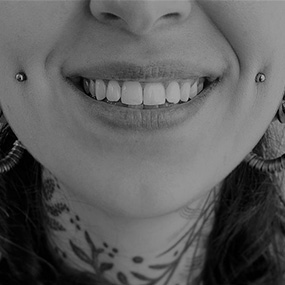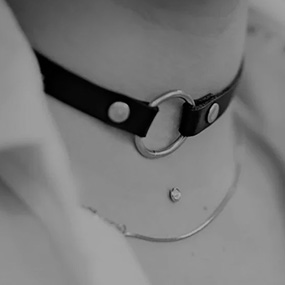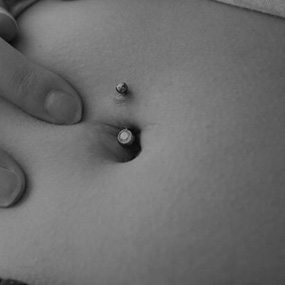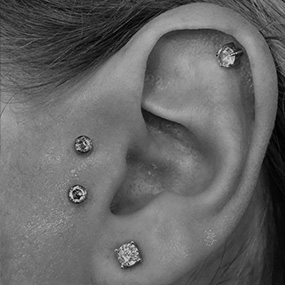



Pain varies by person and location. Most piercings feel like a quick pinch that fades within seconds.
Healing time depends on location: earlobes typically heal in 6–8 weeks; cartilage or body piercings often take several months.
Anyone can get pierced, but minors should have parental consent and be ready to follow aftercare instructions.
Yes—when performed by a trained professional using single-use sterile needles and proper hygiene practices.
Use a sterile saline rinse twice daily. Avoid alcohol, hydrogen peroxide, or harsh soaps as these can irritate healing tissue.
No. Wait until the piercing is fully healed to change jewellery—changing too early can cause irritation or infection.
We use implant-grade titanium, surgical steel, or genuine gold—materials chosen for safety and hypoallergenic properties.
Signs of infection include increasing redness, swelling, heat, pain, or yellow/green discharge. Contact your piercer or a medical professional promptly.
Avoid public pools, hot tubs, and open water until your piercing has healed. These environments carry bacteria that risk infection.
No. We use sterile, single-use needles. Piercing guns can damage tissue and are not used in professional studios.
Yes—if it’s implant-safe and sterile. We will inspect and confirm suitability before using it.
A small amount of bleeding or light crusting in the first 24–48 hours is normal. Excessive bleeding should be checked by your piercer.
Avoid touching with dirty hands, sleeping on the piercing, swimming, and applying makeup or lotions near the area.
Often yes—depending on location and your comfort. Your piercer may recommend spacing sessions for optimal healing.
If jewellery is removed too early the hole can close; re-piercing may be needed once tissue has healed.
Yes—titanium and niobium are hypoallergenic options typically safe for people with metal sensitivities.
Keep starter jewellery in place until your piercer confirms full healing and approves a jewellery change; this varies by piercing.
Properly cared-for piercings generally leave minimal marks. Removing jewellery too early or poor aftercare can increase scarring.
No. Twisting can delay healing and introduce bacteria. Only handle jewellery with clean hands during cleaning.
Do not squeeze or pick. Continue saline care and consult your piercer for safe treatment—sometimes a trained intervention helps.
Piercings are not strictly permanent—if jewellery is removed, holes often close. Long-term wear may leave a faint mark.
Often yes, but your piercer will assess tissue health and scar tissue before advising on placement.
No. Topical numbing is not typically used—numbing creams can harden tissue and affect needle precision. Most clients handle the brief pinch well.
Sleep on your back or the opposite side; use pillows or a travel pillow to reduce pressure on the piercing.
Light exercise is fine, but avoid activities that cause excessive sweating or friction on the new piercing for a few days.
It’s usually not recommended because of immune changes and increased infection risk—consult your healthcare provider first.
Consultation with a professional piercer will help you choose placements that suit your anatomy, symmetry, and style goals.
Some scans request removal of metal jewellery. Always follow medical guidance; MRI-safe metals exist but check with staff before scans.
Needles are sterile, precise, and cause less tissue trauma. Guns can blunt tissue and are not appropriate for most professional piercings.
Professionals ensure sterile technique, correct placement, and provide aftercare advice that reduces complications and improves healing.
Prices vary by type, jewellery material, and complexity. Basic ear piercings typically start around ₹800–₹1,200; complex piercings cost more.
Different piercings require different tools, time, and expertise—larger or more technical placements will cost more.
Yes—standard implant-grade jewellery is usually included. Premium or custom pieces are additional.
Yes. Titanium and gold are premium materials and are priced higher than basic surgical steel.
Yes—follow-up checks are typically provided free to ensure proper healing and address any concerns.
Aftercare sprays or saline solutions are sold separately, though you can also prepare a simple saline rinse at home.
Very low prices may indicate corner-cutting—unsafe jewellery, reused tools, or poor hygiene. Prioritise safety over price.
No—consultations are usually free so you can discuss placement, jewellery, and aftercare before booking.
Yes—many studios offer combo discounts for multiple piercings booked in the same session.
Yes—dermals, surface piercings, and intimate placements require advanced skill and may cost a bit more.
Yes, if it’s implant-safe and sterile. We will check it before use; otherwise, studio-grade jewellery is recommended.
Occasionally—follow our social pages or ask in-studio about current offers and student rates.
Re-piercings may cost slightly more if scar tissue or corrective work is required, but pricing is kept fair and transparent.
Some bookings require a small deposit to reserve your slot; this is credited toward your final bill.
Paying for professional experience ensures safe technique, correct placement, and better long-term results—well worth the investment.
Healing varies: earlobes ~6–8 weeks; cartilage and body piercings can take several months to fully heal.
Mild soreness shortly after is normal. Clean twice daily with saline and avoid touching the area with unwashed hands.
Use a sterile saline spray or solution twice daily. Gently soak and pat dry—avoid harsh chemicals.
Generally no—creams can block airflow and trap bacteria. Stick to saline cleaning unless advised otherwise by a professional.
Yes—light crusting is natural. Soak with saline and gently remove crusts with a clean swab; do not pick.
Watch for increased redness, heat, swelling, and thick yellow/green discharge. Seek professional care if these appear.
No—twisting can cause trauma and delay healing. Only clean the area as instructed by your piercer.
Wait until fully healed. Changing too early can irritate tissue and increase infection risk.
Avoid swimming, sleeping on the piercing, rough fabrics, touching with dirty hands, and heavy makeup near the area.
Yes—showers are fine. Rinse gently with clean water and pat dry with disposable paper towels afterward.
Do not squeeze. Keep up saline care and visit your piercer—they may recommend specific treatments or adjustments.
Yes—surface piercings are more likely to migrate or reject. See your piercer if you notice the jewellery moving outward.
Sleep on your back or opposite side and use extra pillows or a travel pillow to relieve pressure.
Light exercise is okay; clean the area after sweating and avoid activities that put pressure or friction on the piercing.
No pain, redness, or discharge; the jewellery moves freely and the surrounding skin looks healthy and firm.
No—pain depends on location, tissue type, and personal tolerance. Cartilage areas generally feel sharper.
Earlobes are usually the least painful (1–2 on a 1–10 scale) — a quick pinch and over quickly.
Genital piercings, nipples, and some cartilage placements can be rated higher (5–9), though experiences vary widely.
Yes—cartilage is firmer and often causes more pressure and longer tenderness than soft tissue like earlobes.
Most clients rate it around 3–4 — a sharp, quick pinch with brief discomfort afterward.
Usually 4–6 — many describe pressure rather than sharp pain; swelling and watery eyes can follow briefly.
Typically 4–6 — quick but followed by swelling and tenderness for a few days.
They can be more intense (5–7) for some, but the sharp sensation is usually brief when performed professionally.
Dermals and surface piercings vary—usually moderate (4–6) depending on placement and tissue tension.
No—the piercing moment is quick. Soreness typically fades within hours to a few days for most piercings.
Yes—eat well, stay hydrated, avoid alcohol and excessive caffeine, and use calming breathing techniques during the procedure.
Not usually recommended—they can alter tissue feel and affect placement. Professionals usually pierce quickly and accurately without them.
Natural asymmetry in nerve distribution or personal sensitivity can make one side feel more tender than the other.
Mild soreness or throbbing for several days is normal. If pain increases or you develop fever, contact your piercer or a doctor.
Most fall between 3–5 on the pain scale—quick, manageable, and short-lived when done professionally.
Use sterile saline solution twice daily. Spray or soak for a few minutes, then pat dry with a disposable paper towel.
No—avoid touching or twisting as it introduces bacteria and delays healing. Only touch with clean hands during cleaning.
Continue cleaning through the full healing period—usually 6–12 weeks depending on piercing location.
No—these are too harsh and can irritate or dry out healing tissue; saline is preferred.
Soak the area in saline and gently wipe away crusts with a clean swab—do not pick or peel.
Mild redness and swelling for the first few days is normal. If symptoms worsen after several days, consult your piercer.
Avoid pools, hot tubs, and ocean water until fully healed to reduce infection risk.
Pat dry with disposable paper towels or let it air dry. Avoid cloth towels which can harbour bacteria.
Avoid sleeping on the pierced side; use pillows or cushions to prevent pressure and rubbing.
Keep the area clean and avoid irritation. See your piercer for evaluation and safe treatment options.
Wait until fully healed. Changing early increases risk of complications and infection.
No—avoid cosmetics, creams, and perfumes around the healing area until fully healed.
Severe redness, heat, pain, swelling, or purulent discharge are warning signs—seek professional help promptly.
No—removing jewellery can trap bacteria and close the hole. Visit your piercer for professional assessment first.
When there is no tenderness, redness, swelling, or discharge, and jewellery moves easily without pain.
A skilled, hygienic piercer ensures safety, precision, and a smoother healing process—reducing complications.
Look for a clean studio, visible sterilization (autoclave), sealed single-use needles, and clear aftercare instructions.
Yes—certification shows formal training and adherence to health and safety standards.
Single-use needles, sterile jewellery pouches, gloves, and proper surface disinfection are essential practices.
No—guns cause blunt trauma and cross-contamination risk. Professional piercers use needles only.
Yes—a portfolio shows healed work and demonstrates the piercer’s skill and aesthetic sense.
Reviews reveal client experiences, hygiene standards, and aftercare support—helpful when choosing a studio.
Ask about sterilization methods, jewellery materials, healing times, experience with the placement, and aftercare support.
Implant-grade titanium, niobium, surgical steel, and appropriate gold options are standard offerings.
Yes—a reputable piercer provides clear written and verbal aftercare instructions and follow-up support.
It should be tidy, smell fresh, and display sterilization equipment or certificates on request.
Red flags include reused tools, unsealed jewellery, messy workspaces, and refusal to explain sterilization methods.
Yes—experience means better understanding of anatomy, placement, and dealing with tricky or unusual cases.
Absolutely. If you feel uncomfortable or pressured, walk away. A good piercer respects your consent and comfort.
Look for verified reviews, visit studios in person, ask to see sterilization equipment, and request healed-piercing photos.
Intimate piercings are placed on genital or nearby erogenous areas for aesthetic, personal, or sensual reasons.
Yes—when performed by a trained professional using sterile equipment and implant-grade jewellery.
Clients must be 18+ and understand risks, healing, and aftercare. A professional assessment ensures suitability.
Pain varies; many describe a quick sharp pinch and mild tenderness. Individual anatomy and placement influence pain levels.
Common options include vertical hood, horizontal hood, inner labia, and outer labia piercings.
Prince Albert, frenum, hafada, and guiche piercings are typical male intimate placements.
Healing usually ranges between 4–8 weeks depending on placement, anatomy, and aftercare diligence.
Avoid sexual activity until your piercer confirms healing—friction and fluids can introduce bacteria and delay recovery.
Yes—jewellery is selected for comfort and healing (titanium, niobium, or gold are common choices).
Rinse gently with sterile saline twice daily and always wash hands before touching. Avoid soaps and harsh products.
Usually not—most placements are discreet under normal clothing, depending on jewellery size and position.
Some people report increased stimulation; results vary by individual anatomy and piercing type.
Yes—intimate piercings can close quickly when jewellery is removed, especially during early healing stages.
No—procedures are quick and done with sterile single-use needles. Topical numbing is not commonly used.
Choose an experienced, discreet piercer who specializes in intimate procedures and follows strict hygiene protocols.